Faith Flower Embroidery Design Review
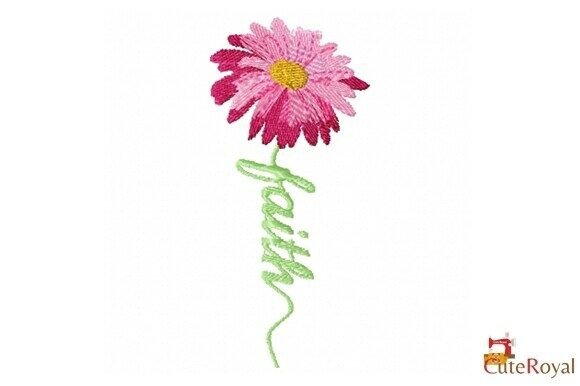
As I prepare my booth inventory for the upcoming weekend craft fair, I am constantly evaluating which digital assets will translate best into physical sales. The Faith Flower Embroidery Design has caught my attention as a potential staple for my spiritual and inspirational product line. When reviewing a new machine embroidery design for commercial production, I look beyond the screen preview to assess how it will perform on actual fabric under market lighting. This specific design, featuring a delicate pink flower with the word faith gracefully stitched into its stem, offers a unique blend of botanical beauty and meaningful messaging that resonates deeply with handmade product buyers.
First Impressions and Market Appeal
My initial assessment of the Faith Flower Embroidery Design is that it strikes a balance between soft elegance and modern farmhouse aesthetics. It does not feel overly traditional or dated; instead, the integration of text into the organic form of the stem suggests a contemporary approach to religious or inspirational embroidery. For an Etsy seller or boutique maker, this visual style is crucial. Customers at craft fairs often scan tables quickly, and this design possesses enough contrast and recognizable imagery to stop the eye without being aggressive.
The description notes it is perfect for spiritual projects and uplifting home décor, which aligns perfectly with current market trends favoring mindfulness and intentional living. As a single flowers category design, it avoids the clutter of complex bouquets, making it versatile enough to serve as either a subtle accent or a central focal point depending on the hoop size selected. The delicate pink thread colors imply a feminine, gentle aesthetic that pairs exceptionally well with natural linens, cream cottons, and soft pastel bases.
Evaluating Product Applications for Craft Fairs
When planning my table display, I must decide where this embroidery file will generate the highest return on investment. Not every design works on every substrate, and the Faith Flower Embroidery Design requires strategic placement to maximize its selling power.
- Tote Bag Design: This is likely the strongest application for this specific artwork. A natural canvas tote provides the necessary stability for the stem detail while offering a large enough canvas for the design to breathe. At a market, these bags act as walking advertisements. The combination of utility and sentiment makes it a high-value craft fair product.
- Tea Towel Embroidery: Inspirational kitchen textiles are consistent sellers. However, because this design features integrated text within a stem, I would reserve this for high-quality, smooth-weave tea towels rather than textured terry cloth. The message needs to be legible from a distance to justify the price point.
- Apron Embroidery: Placing this design on the chest area of a linen apron creates an intimate, personal connection. It transforms a functional garment into a meaningful gift for church volunteers, gardeners, or homemakers who value faith-based decor.
- Embroidered Patch: Given the self-contained nature of the flower and stem, this could be digitized or hooped specifically as a patch. Patches allow for batch production efficiency and can be sold as standalone items or applied to denim jackets and caps later.
- Pillow Covers: For home décor, this design serves as an excellent minimalist centerpiece. Unlike bold scripture blocks that can dominate a room, the floral element keeps the pillow feeling decorative rather than purely didactic.
Production Practicality and Technical Considerations
From a production standpoint, the viability of the Faith Flower Embroidery Design depends heavily on technical execution. As an experienced designer, I know that what looks fluid on a monitor can become problematic if stitch density is not managed correctly. The phrase "gracefully stitched into its stem" implies fine lines and potentially small lettering. This is a critical area for testing.
Small lettering embedded in organic shapes runs the risk of getting lost if the stabilizer is insufficient or if the fabric texture is too coarse. Before listing any finished product, I must run a test sew-out on scrap fabric that matches my intended production material. If the text is less than 4mm in height, standard rayon thread might be too thick, requiring a lighter weight thread or a redesign of the text portion. Checking the stitch count and confirming the minimum recommended hoop size is non-negotiable to prevent registration issues where the text pulls away from the flower stem.
Furthermore, batch production feasibility relies on consistency. If I am stitching ten tote bags for the fair, I need to ensure the design centers perfectly every time. Creating a physical template or using alignment tools is essential for this type of asymmetrical design. For digital sellers offering this as a commercial embroidery file, providing clear notes on recommended fabrics and stabilizers adds immense value and reduces customer support inquiries regarding poor stitch-outs.
Visual Merchandising and Customer Engagement
The success of a handmade product at a physical venue relies on how it is presented. The Faith Flower Embroidery Design lends itself to storytelling. Because it combines nature and faith, I can merchandise it alongside other botanical items or spiritual journals to create a cohesive vignette. The delicate pink hue should be highlighted against neutral backgrounds to make the thread sheen pop under artificial tent lighting.
For online listings, printable mockup accuracy is vital. Buyers need to see realistic proportions. Since this is a Single Flowers design, showing it scaled on different products helps customers visualize its versatility. Does it look better as a 3-inch pocket accent or a 6-inch back piece? Providing photos of both applications increases buyer confidence. Additionally, the emotional resonance of the word "faith" means that product photography should evoke warmth and serenity, avoiding harsh shadows or cluttered backgrounds that distract from the graceful stitching.
Designer Notes for Safe Commercial Use
Before committing to a full production run for the weekend market, I adhere to a strict checklist to ensure quality and legality. These steps protect both the integrity of the finished product and the reputation of my small shop.
- Verify Licensing: Always confirm commercial licensing terms before selling finished products. Just because a design is available for purchase does not automatically grant unlimited commercial rights for physical goods.
- Test on Target Fabric: Never assume a design will work on dark fabric or textured towels without a test. Dark fabrics may require a white underlay to make the pink flower visible, which changes the stitch density and feel.
- Check Thread Contrast: Ensure the pink thread contrasts sufficiently against your chosen base color. Tone-on-tone stitching can look elegant in photos but invisible in person at a dimly lit craft fair.
- Review Spacing and Hoop Size: Confirm that the design fits comfortably within your hoop with adequate margin for the presser foot. Crowding the hoop leads to tension issues and distorted stems.
- Create Real Mockups: Digital renderings are useful, but a photo of the actual embroidered sample sells better. It proves you have mastered the design assets and guarantees the quality the customer will receive.
- Inspect Stitch Density: Run your finger over the test sew-out. If the area where the text meets the stem feels like armor plate, it is too dense for apparel or lightweight tote bags. Adjustments may be necessary to maintain fabric drape.
The Faith Flower Embroidery Design holds significant promise for creative entrepreneurs seeking to offer meaningful, high-quality goods. By approaching it with a critical eye toward production realities and market preferences, we can transform a simple digital file into a bestselling handmade product that brings genuine joy to our customers. Whether used for a signature tote bag or a heartfelt gift, its success lies in the careful marriage of artistic vision and technical precision.