Daisy Embroidery Flower Design: A Maker’s Review
As an embroidery designer who frequently sources assets for both personal art and commercial client orders, I approach every new machine embroidery design with a critical eye. When browsing Creative Fabrica embroidery collections, it is easy to get swept up in beautiful digital mockups. However, the true test of any embroidery file is how it performs under the needle on actual fabric. Today, I am reviewing the Daisy Embroidery Flower Design to determine if its minimalist wildflower aesthetic holds up for real-world production, specifically for makers focusing on modern decor and wedding accessories.
First Impressions and Visual Mood
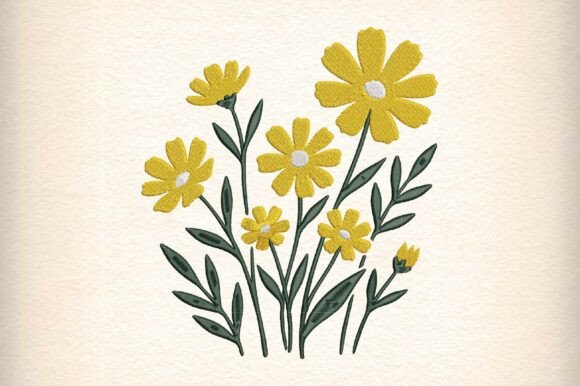
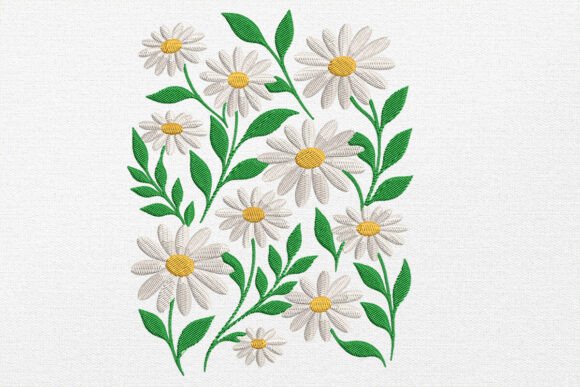
The Daisy Embroidery Flower Design immediately stands out due to its elegant, minimalist styling. Unlike traditional floral designs that rely heavily on dense fill stitch areas, this design captures the delicate nature of wildflowers through cleaner lines and open spacing. For a designer, this visual mood suggests versatility. It does not scream "country craft" but rather leans into contemporary botanical illustration. This makes it particularly suitable for the Wedding Flowers category, where brides often seek organic yet refined aesthetics for their big day.
Upon inspecting the design assets, the balance between negative space and stitched elements appears thoughtful. The minimalist style implies that the digitizer understood the importance of letting the fabric breathe. This is crucial when considering projects like linen napkins or sheer organza overlays where heavy stitching would cause puckering or distortion. The design feels airy, which is a significant advantage for creators looking to produce high-end handmade product listings on Etsy or boutique shelves.
Evaluating Stitch Performance on Real Projects
A pretty screen capture does not guarantee a smooth run on the machine. When evaluating this Daisy Embroidery Flower Design for practical use, I consider how the stitch types interact with different substrates. Minimalist florals often utilize a combination of running stitch for stems and details, alongside selective satin stitch for petal definition. This reduction in overall stitch density is generally beneficial for production speed and fabric integrity, but it requires careful attention to stabilization.
For a recent test scenario involving a custom bridal tote bag, this design proved advantageous. Tote bags are typically made of canvas or cotton duck, materials that can be unforgiving with dense designs. Because the Daisy Embroidery Flower Design avoids excessive layering, it sat flat against the canvas without requiring excessive backing. However, if you plan to use this as a tote bag design, always verify the hoop size requirements first. Ensure your machine’s hoop can accommodate the full spread of the wildflowers without needing to re-hoop, as realigning minimalist line art can be notoriously difficult if the registration is off by even a millimeter.
When considering sweatshirt embroidery or custom apparel, the open nature of this design is a double-edged sword. On knit fabrics, running stitches can sometimes sink into the pile. If you are applying this to a fleece sweatshirt or jersey knit, you must use an appropriate water-soluble topping and a sturdy cut-away stabilizer. Without these, the delicate wildflower stems may disappear into the fabric texture, ruining the intended minimalist effect. Always run a test stitch-out on a scrap of the exact garment material before committing to a customer order.
Versatility Across Product Categories
One of the strongest selling points for this digital embroidery file is its adaptability across various niches. Beyond apparel, I see immense potential for home decor and seasonal gifts:
- Nursery Decor: The gentle, non-intrusive style makes this ideal for baby blankets and pillow covers. The lower stitch count means the blanket remains soft and flexible, avoiding the stiff, bulletproof feeling of densely embroidered baby items.
- Kitchen Textiles: For tea towels and aprons, the wildflower motif adds a touch of farmhouse chic without overwhelming the functional surface area. These items require frequent washing, so ensure your thread colors are colorfast and the stitch length is sufficient to withstand laundering.
- Embroidered Patches: While primarily a direct-embroidery design, the clean outlines could serve as a guide for creating patches. However, check if the design includes a proper border or tack-down stitch if you intend to convert it into an applique design or patch format.
- Printable Mockups: For digital product sellers or those listing finished goods online, the clean lines of this design translate beautifully to printable mockup templates, helping customers visualize the final result clearly.
Commercial Viability and Brand Consistency
For small business owners and creative entrepreneurs, the value of an embroidery design extends beyond its aesthetic. It must support brand consistency and justify pricing. The Daisy Embroidery Flower Design possesses a professional quality that elevates perceived value. When used on a personalized gift or commercial embroidery project, the refined detailing signals to the buyer that this is not a generic, mass-produced item. The "Love Hands Line Art" influence mentioned in the product description hints at a human-centric, artisanal quality that resonates deeply with buyers seeking meaningful connections through handmade goods.
However, trust is built on execution. Before adding this to your shop, review the licensing terms on the Creative Fabrica product page meticulously. Confirm whether the license covers physical products, digital resale, or both. Nothing damages buyer trust or business reputation faster than inadvertently violating intellectual property rights. Additionally, because this design features elegant wildflowers, ensure your photography highlights the texture of the stitches. Flat, well-lit photos that show the sheen of the thread against the matte fabric will significantly boost customer engagement compared to digital renders alone.
Practical Notes for Makers
To get the best results from the Daisy Embroidery Flower Design, keep these technical considerations in mind during your workflow:
- Verify File Details: Never assume compatibility. Check the specific file formats included (PES, DST, EXP, etc.) and the exact dimensions. Minimalist designs can look vastly different at 4x4 inches versus 5x7 inches; choose the size that preserves the intended line weight.
- Contrast Testing: Wildflowers often feature subtle shading. Test on both light and dark fabrics. You may need to adjust thread colors or add a white underlay if stitching on dark denim or navy canvas to prevent the background from muddying the design.
- Stabilizer Selection: Match your stabilizer to the end-use. Use tear-away for stable woven fabrics like quilting cotton, but switch to poly-mesh or fusible cut-away for stretchy knits or sheer fabrics to prevent tunneling around the satin stitches.
- Small Detail Inspection: After your test run, inspect the smallest petals and stem intersections. If threads are breaking or loops are forming, you may need to slow down your machine speed or use a smaller needle (such as a 65/9) to handle the finer details of this Embroidery design.
Ultimately, the Daisy Embroidery Flower Design offers a refreshing alternative to overly complex floral patterns. Its strength lies in its restraint, making it a valuable asset for designers who prioritize elegance and fabric integrity. Whether you are stitching a bespoke wedding keepsake or stocking your shop with modern botanical apparel, this design provides a solid foundation for beautiful, professional results. Just remember to treat it with the same technical respect you would give a dense logo; minimalism demands precision, and when executed correctly, the payoff is a stunning, market-ready finished product.