Chicken Embroidery Design: A Maker’s Review
As an embroidery designer who has spent years testing files for a personalized gift shop, I approach every new machine embroidery design with a critical eye. When planning inventory for the upcoming season, specifically within the Farm Animals category, I needed a motif that balanced rustic charm with commercial viability. After stitching out and reviewing this Chicken Embroidery Design, I can confidently say it offers a bold and artistic touch that translates beautifully into finished goods. This review breaks down my practical experience testing this design for real customer orders, focusing on its application for baby embroidery, wedding gifts, and home decor.
First Impressions: Artistic Flow and Emotional Appeal
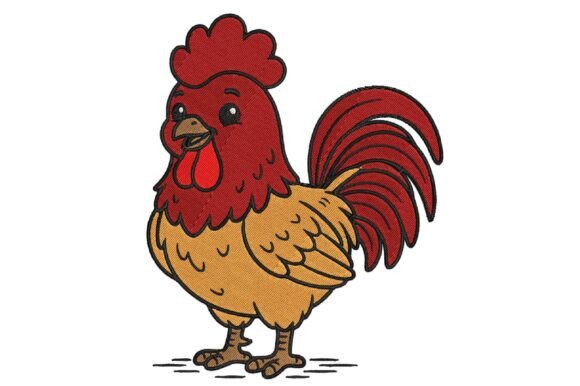
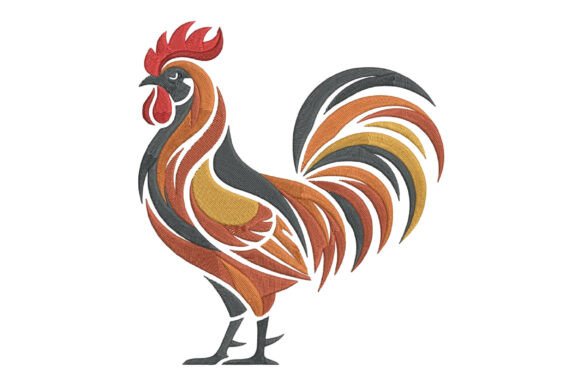
My first impression when loading this embroidery file into my software was immediately positive. Unlike generic farm animal clipart that often feels stiff or cartoonish, this Chicken Embroidery Design features a beautifully styled rooster with flowing lines. The artistic rendering suggests movement and elegance rather than a static barnyard scene. For a handmade product, this distinction is vital. Customers seeking custom embroidery are often looking for something that feels curated and high-end, not mass-produced.
The mood of the design strikes a perfect balance between playful and classic. It possesses enough detail to feel sophisticated for adult items like kitchen textiles, yet retains a sweetness that makes it appropriate for nursery decor. As an Etsy seller or small shop product creator, you know that emotional connection drives sales. This design evokes feelings of heritage, warmth, and pastoral peace, making it an excellent candidate for meaningful keepsakes.
Real-World Applications for Personalized Gifts
In my shop, versatility is key. I tested this Chicken Embroidery Design across multiple product categories to see where it performs best as a personalized gift. Here is how it fared in real-world scenarios:
- Nursery and Baby Embroidery: I stitched this onto a soft cotton blanket for a nursery reveal gift. The flowing style of the rooster softened the overall look, making it gender-neutral and timeless. It worked exceptionally well as a centerpiece above a personalized name.
- Kitchen Textiles: For an embroidered towel or apron, the bold nature of the design ensures it stands out against busy kitchen backgrounds. It appeals to customers who love farmhouse aesthetics but want modern execution.
- Wedding Gift Keepsakes: Surprisingly, this design works for couples with rural roots or vineyard weddings. Stitched in monochromatic threads on a linen pillow cover, it transformed from a simple farm animal into a romantic symbol of home and partnership.
- Tote Bags and Market Gear: The design holds up well on canvas totes. Its artistic flair attracts buyers at craft fairs who appreciate sustainable, reusable goods with unique branding.
Technical Considerations and Fabric Pairings
While the Chicken Embroidery Design is versatile, my testing revealed specific areas where caution is necessary. As experienced embroiderers know, a beautiful digital file does not always guarantee a perfect stitch-out on every surface. When creating custom embroidery, you must consider the physical limitations of your materials.
Navigating Texture and Detail
The "flowing" aspect mentioned in the product description implies varying stitch directions and potentially intricate fill patterns. On smooth fabrics like quilting cotton or linen, these details shine. However, if you plan to use this on thick terry cloth towels or textured burlap, you must adjust your approach. High-pile fabrics can swallow fine details. I recommend using a water-soluble topper and a sturdy stabilizer to prevent the design from sinking into the fabric texture. Always check the stitch density; if it is too light for heavy fabrics, add an underlay to provide a stable foundation.
Sizing and Hoop Constraints
Before committing to a production run, verify your hoop size compatibility. Because this design features a stylized rooster with extended elements, resizing it too small may cause the flowing details to merge or become muddy. Conversely, enlarging it significantly without professional digitizing software could result in gaps or excessive thread usage. For baby clothes, ensure the design placement avoids seams and stretchy areas where the embroidery might distort the garment's fit or irritate delicate skin.
Elevating Perceived Value and Customer Trust
For digital product sellers and those offering commercial embroidery services, the quality of your source designs directly impacts buyer engagement. This Chicken Embroidery Design enhances perceived value because it looks intentional and professionally digitized. When photographing finished products for your online store, the artistic lines create natural leading lines that draw the viewer's eye to the center of the item.
Using high-quality, distinct thread colors further elevates the final piece. I found that using variegated threads for the rooster’s plumage highlighted the flowing design elements better than solid colors. This attention to detail signals to customers that they are purchasing a premium handmade product rather than a factory-made trinket. Furthermore, providing accurate printable mockup previews using this design helps manage customer expectations and reduces return rates.
Essential Testing Checklist for Makers
Before listing any item featuring this Chicken Embroidery Design for sale, I strongly advise following this practical testing protocol. Skipping these steps is the most common mistake new business owners make:
- Stitch Out on Scrap Fabric: Never stitch directly onto a sellable product first. Use a scrap of the exact material you intend to sell to test tension and stabilizer combinations.
- Verify Commercial Licensing: Since product descriptions vary, confirm the licensing terms before selling. Ensure you have the right to sell physical items made with this digital embroidery file.
- Check Thread Contrast: Test the design on both light and dark fabrics. Some artistic shading relies on contrast; ensure the rooster remains visible and vibrant on your chosen base color.
- Review Small Details: After stitching, inspect the beak, comb, and tail feathers. If these areas are too dense or loose, adjust your machine speed or needle size accordingly.
- Wash Test: If selling baby blankets or kitchen towels, wash and dry your sample. This reveals whether the stitch density is sufficient to withstand frequent laundering without puckering.
Final Thoughts for Shop Owners
Incorporating the Chicken Embroidery Design into your catalog is a strategic move for anyone targeting the farmhouse, nursery, or artisanal gift market. Its unique blend of bold artistry and traditional subject matter allows it to cross demographic lines, appealing to both young parents decorating a nursery and older generations cherishing family traditions. By respecting the technical requirements of the embroidery file and pairing it with appropriate fabrics and stabilizers, you can transform this digital asset into a best-selling physical product. Remember, in the world of custom embroidery, success lies in the intersection of beautiful design and flawless execution. Take the time to test, refine, and showcase this design properly, and it will undoubtedly become a staple in your personalized gift offerings.