Cute Duckling Embroidery Design Review
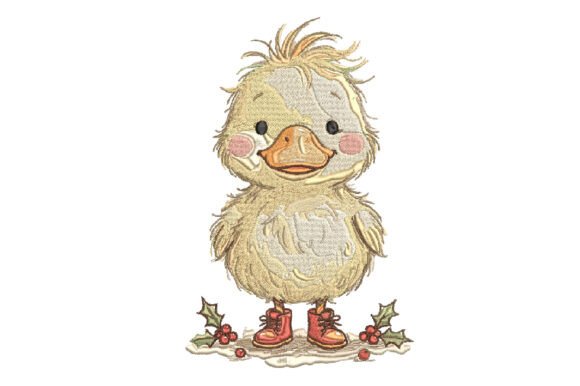
As a professional embroidery designer specializing in commercial branding and merchandise, I approach every new machine embroidery design with a critical eye toward production viability. When evaluating the Cute Duckling Embroidery Design for small business applications, my primary focus is not just on its aesthetic charm, but on how it translates from a digital file to a tangible asset that builds brand equity. This design features an adorable fluffy baby duck with rosy cheeks and tiny boots, surrounded by small festive holly leaves and berries. While inherently playful, this charming embroidery pattern possesses specific structural qualities that make it a versatile candidate for various commercial uses, provided it is applied with technical precision.
Visual Personality and Brand Alignment
The first impression of the Cute Duckling Embroidery Design is undeniably friendly and approachable. For businesses in the Farm Animals category or those seeking a rustic, handmade aesthetic, this design communicates warmth immediately. However, as a branding tool, its value extends beyond simple cuteness. The inclusion of tiny boots adds a layer of anthropomorphic character that suggests personality and narrative, which is excellent for storytelling brands like bakeries, florists, or children’s boutiques. The surrounding holly leaves and berries provide a natural frame, making the design self-contained. This is crucial for brand identity because it allows the graphic to function as a standalone logo mark without requiring additional text or borders.
From a design perspective, the balance between the fluffy texture of the duck and the defined shapes of the holly creates visual interest. For a handmade product line, this mix of soft and structured elements mimics the tactile quality customers expect. It avoids looking too corporate or sterile, positioning the brand as authentic and artisanal. However, business owners must ensure this level of whimsy aligns with their target demographic. While perfect for a pet brand or creative studio, it may require adaptation for more formal uniform contexts.
Commercial Applications for Small Business Merch
In real-world scenarios, the Cute Duckling Embroidery Design performs exceptionally well across multiple small business merch categories. Its compact nature makes it ideal for left-chest placement on staff uniforms or work shirts. In this context, the duck acts as a friendly mascot that humanizes the business while maintaining professionalism through high-quality execution. For apron embroidery in cafes or bakeries, the design serves as a focal point that reinforces the handmade nature of the goods being sold. The festive holly accents also make this design particularly valuable for seasonal promotions or holiday-specific custom apparel.
Beyond apparel, this embroidery file is a strong contender for accessory branding. As a tote bag design, the duckling offers a reusable, eco-friendly branding opportunity that customers are happy to carry. For Etsy sellers and craft businesses, using this design on product packaging tags or thank-you cards creates a cohesive unboxing experience. I have also found that designs with distinct silhouettes like this one translate beautifully into embroidered patch formats. A merrowed-edge patch featuring the Cute Duckling can be applied to caps, jackets, or backpacks, offering flexibility for businesses that want branded gear without committing to direct embroidery on every item.
Technical Considerations and Production Limits
Despite its versatility, the Cute Duckling Embroidery Design requires careful handling during production. The description notes "fluffy" textures and "tiny" details, which are red flags for digitizers if not managed correctly. High stitch density is often required to create a fluffy effect, but this can cause puckering on lightweight fabrics or distortion on curved surfaces like cap embroidery. Before running a full production batch, you must verify that the digitizer has used appropriate underlay stitches to support the top texture without creating a bulletproof patch that feels stiff against the skin.
The "tiny boots" and holly berries present another challenge: size reduction. If you intend to use this design on sleeve cuffs or as a subtle label accent, test the minimum viable size. Details smaller than 2mm often get lost or cause thread breaks. You may need a simplified version of the digital embroidery file specifically for small-scale applications. Additionally, consider the fabric texture of your merchandise. On highly textured materials like terry cloth or fleece, the fine details of the holly and facial features may sink into the nap. Using a water-soluble topping is non-negotiable here to maintain definition. Always confirm the recommended hoop size and stabilizer type before production to avoid registration issues between the duck and the surrounding botanical elements.
Strategic Impact on Customer Perception
Integrating the Cute Duckling Embroidery Design into your product lineup does more than decorate; it signals attention to detail. High-quality embroidery implies permanence and care, directly influencing customer trust. When a buyer sees crisp, clean stitching on a tote bag or apron, they subconsciously attribute that same level of quality to the business's core products or services. The consistent use of this design across touchpoints—from staff uniforms to event merch—builds visual recognition. Over time, the duckling becomes synonymous with your brand's values of friendliness and craftsmanship.
Furthermore, unique design assets like this differentiate your business from competitors using generic clip art. The specific combination of farm animal nostalgia with festive accents creates a proprietary visual language. For digital-first businesses, utilizing a printable mockup of the embroidered design in social media marketing can bridge the gap between online browsing and physical purchase, showcasing the premium nature of the finished product before it even ships.
Designer Notes for Successful Implementation
To maximize the ROI of the Cute Duckling Embroidery Design, follow these professional protocols:
- Test in Monochrome: Before committing to full color, run a test stitch-out in black and white. This reveals whether the design relies solely on color contrast or if the underlying structure holds up independently.
- Verify Licensing: Always confirm commercial licensing terms before using any embroidery file for business merchandise. Ensure you have the right to sell items bearing this design.
- Check Thread Colors: Match thread colors to your existing brand palette. Even if the duck is yellow, adjusting the shade to match your brand’s specific gold or cream ensures visual consistency.
- Create Client Mockups: If you are a decorator producing for a client, never skip the approval stage. Show them how the design looks at actual size on their specific garment type.
- Inspect Spacing: Review the spacing between the duck and the holly border. Tight spacing can cause fabric pull; adequate negative space ensures a cleaner finish.
- Wash Testing: For uniforms and aprons that require frequent laundering, perform a wash test. Ensure the fluffy texture and tiny details do not fray or degrade after five cycles.
- Compare Assets: Place this design beside your other branding elements. Does it feel cohesive? If it clashes with your typography or secondary logos, consider resizing or recoloring.
By treating the Cute Duckling Embroidery Design as a strategic business asset rather than mere decoration, small business owners can leverage its charm to build a recognizable, trustworthy, and professionally presented brand. Whether used for commercial embroidery projects or boutique merchandise, success lies in respecting the technical requirements of the medium while capitalizing on the emotional connection the design fosters.