Detailed Sunflower Embroidery Design Review
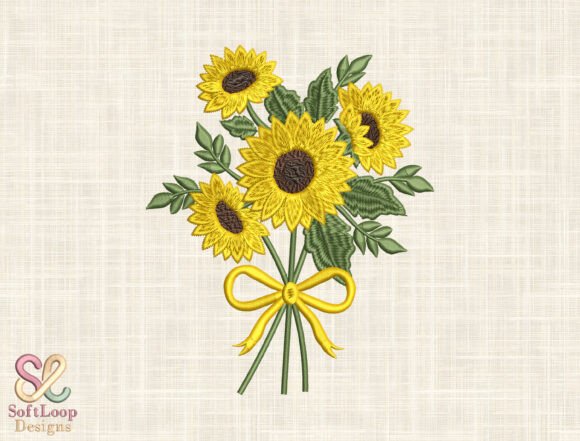
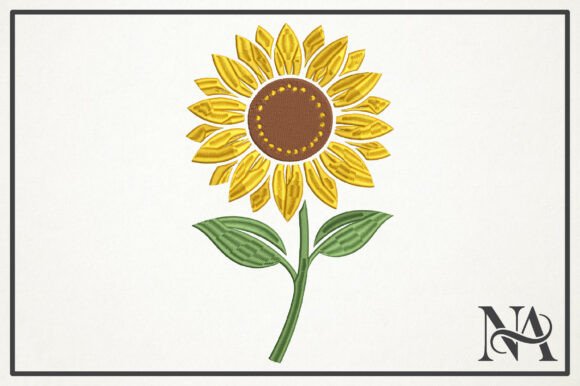
As I prepare my inventory for the upcoming weekend craft fair, I am constantly evaluating which digital assets will translate best into physical sales. When reviewing the Detailed Sunflower Embroidery Design, my immediate impression is one of rustic elegance and summer warmth. This is not a cartoonish or overly simplified floral; the description promises realistic floral art with golden yellow petals and a rich brown seeded center. For a handmade product seller, this level of realism suggests a premium aesthetic that appeals to customers looking for farmhouse decor, botanical gifts, and high-quality accessories. In the crowded category of Single Flowers, this design stands out because it mimics the texture of nature rather than just outlining a shape.
Evaluating Market Appeal for Craft Fair Products
When setting up a booth, visual hierarchy is everything. Customers walking past a table need to understand what a product is within seconds. The Detailed Sunflower Embroidery Design possesses the bold contrast necessary to stop traffic. The interplay between bright yellows and deep browns creates a natural focal point that reads well from a distance. Unlike pastel florals that can get lost on a busy display table, this sunflower commands attention.
For my specific lineup, I see this machine embroidery design performing exceptionally well across several key categories:
- Tote Bag Design: Canvas totes are a staple at summer markets. The warm tones of this sunflower pop beautifully against natural unbleached canvas or denim. It transforms a basic utility item into a statement piece.
- Tea Towel Embroidery: Kitchen linens are high-volume sellers. Because this design features a seeded center, it adds a tactile quality that buyers love to touch. On white or cream flour sack towels, the golden threads catch the light, emphasizing the handmade quality.
- Apron Embroidery: Gardeners and bakers frequent craft fairs. Placing this design on the chest or lower pocket of a linen apron creates an instant connection to outdoor living and cottagecore aesthetics.
- Embroidered Patch: If you have leftover fabric scraps, this design is dense enough to work as a standalone patch. These are excellent low-cost add-ons for customers who want the art but cannot afford a larger finished product.
Production Practicality and Stitch Performance
A beautiful screen preview does not always guarantee a smooth production run. As an experienced embroiderer, I look at the Detailed Sunflower Embroidery Design through the lens of efficiency and consistency. Realistic floral art typically requires higher stitch density to achieve shading and texture. This is crucial for the "rich brown seeded center" mentioned in the product details. To replicate seeds realistically, the digitizer likely used complex fill stitches or textured satin columns.
This density impacts production time and material choices. You must verify the stitch count before committing to batch production. High-density designs take longer to run, which affects your profit margin on lower-priced items like tea towels. However, for premium items like pillow covers or market bags, the extra stitch count justifies a higher price point because the perceived value is significantly greater. The texture feels substantial under the finger, signaling to the buyer that this is a quality commercial embroidery piece, not a cheap iron-on transfer.
Photographing this design for Etsy listings or social media requires careful lighting. The golden yellow threads can sometimes appear neon or washed out in direct flash photography. Natural, diffused lighting is essential to capture the true warmth of the petals. When creating a printable mockup for digital sales or pre-orders, ensure the color profile matches the actual thread colors you intend to use, as monitor calibration often misrepresents botanical yellows.
Critical Use Notes for Professional Results
While the Detailed Sunflower Embroidery Design is versatile, it demands respect during the hooping and stitching process. Realism in embroidery is unforgiving of poor stabilization. Here are specific cautions based on the characteristics of detailed floral art:
- Stabilizer Selection: Do not skimp here. The weight of the seeded center combined with layered petals can cause puckering on lighter fabrics. For tea towel embroidery, use a medium-weight cutaway or a high-quality tear-away backed with spray adhesive. For tote bags, a sturdy cutaway is non-negotiable to prevent the design from distorting the bag’s shape.
- Fabric Texture Compatibility: Avoid highly textured terry cloth or waffle weave unless you use a water-soluble topping. The fine details of the petals will sink into the pile, ruining the realistic effect. Smooth cottons, linens, and tight-weave canvases are the safest bets for preserving detail.
- Sizing Limitations: Check the minimum recommended size in the embroidery file metadata. Reducing a realistic design too much causes stitch overlap and thread breaks. If you need a small accent for a cap or sleeve, verify the design maintains clarity at that scale. Tiny lettering or minute petal veins may disappear below 4 inches.
- Curved Surfaces: Caps present unique challenges. Ensure the design is specifically digitized for curved surfaces if applying to hats. A flat-design sunflower may distort or gap when wrapped around a cap brim.
- Thread Contrast on Dark Fabrics: While golden yellow shows well on dark backgrounds, the brown center might blend into chocolate or navy fabric. Test on scrap fabric first. You may need to add an underlay or adjust the center thread color to a lighter tan to maintain definition.
Designer Checklist Before Selling Finished Products
Before listing this as a craft fair product or adding it to your Etsy shop, complete this practical checklist to protect your brand reputation and ensure customer satisfaction:
- Test Stitch Out: Never sell based on a digital preview alone. Run a test on the exact fabric and stabilizer combination you plan to use. Inspect the registration marks and color transitions.
- Verify Licensing: Confirm the commercial license terms for this digital embroidery file. Some designers allow unlimited physical sales but prohibit selling the file itself or using it for print-on-demand without modification.
- Hoop Size Confirmation: Ensure the design fits your machine’s hoop with adequate clearance. Trying to squeeze a large sunflower into a maximum-size hoop increases the risk of alignment errors.
- Color Matching: Compare your physical thread spools against the design’s color chart. "Golden yellow" varies wildly between brands. Consistency across batches is vital for repeat customers.
- Create Physical Mockups: Photograph the actual embroidered item, not just a digital render. Buyers trust real photos. Show close-ups of the stitched texture to highlight the handmade quality.
Maximizing Value in Handmade Markets
The Detailed Sunflower Embroidery Design offers more than just decoration; it offers storytelling. In the handmade market, customers buy connections to nature, seasons, and memories. By positioning this design as a celebration of summer harvest or garden abundance, you elevate it beyond mere ornamentation. Whether applied to a giftable pouch or a boutique apron, the key to success lies in respecting the technical requirements of the embroidery file while leveraging its inherent visual warmth.
For creative entrepreneurs, this design serves as a reliable anchor for seasonal collections. Its classic appeal ensures it remains relevant year after year, providing excellent return on investment for your design assets library. Just remember: the difference between a hobbyist stitch-out and a professional product lies in the testing, the stabilization, and the attention to how the design interacts with the final substrate. Treat this sunflower with the technical care it deserves, and it will undoubtedly become a bestseller in your booth.