Blue Flower Embroidery Design: A Business Review
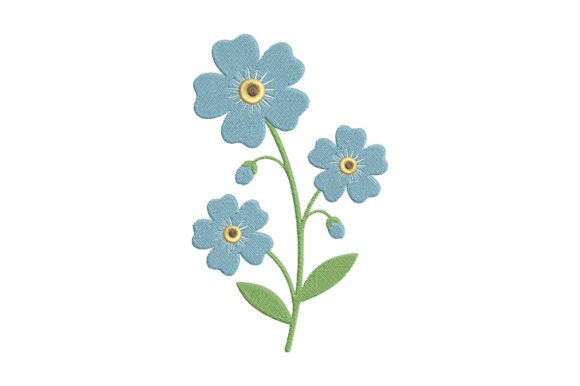
As an experienced embroidery designer who regularly consults with small businesses on merchandise development, I approach every new machine embroidery design with a critical eye toward production viability and brand alignment. When reviewing the Blue Flower Embroidery Design for potential commercial use, my first impression is one of refined elegance and organic softness. This is not a bold, aggressive graphic; it is a delicate composition featuring beautiful blue flowers with green stems and leaves that evokes a sense of calm. For business owners in sectors like floristry, artisanal baking, boutique retail, or wellness services, this visual tone communicates approachability and craftsmanship. However, translating that delicate aesthetic into durable small business merch requires careful technical evaluation to ensure the design maintains its integrity across various applications.
Evaluating Visual Personality for Brand Identity
The primary strength of the Blue Flower Embroidery Design lies in its ability to soften a brand's visual identity without sacrificing professionalism. In the category of Single Flowers, this specific artwork leans toward a classic, handmade presentation rather than a modern corporate logo. For a local café or creative studio, this suggests a business that values detail and personal touch. When used as part of your brand identity, these soft blue hues and natural green accents signal tranquility and quality.
However, because the description emphasizes a "delicate" nature, business owners must consider contrast. If your brand relies on high-visibility safety gear or stark industrial uniforms, this design may feel out of place. Conversely, for linen aprons, canvas tote bags, or premium cotton tees, the design’s personality aligns perfectly with the substrate. The elegance described in the product details makes it an excellent candidate for customer-facing items where emotional connection drives sales, such as Etsy packaging inserts or thank-you gifts included with a handmade product.
Performance Across Commercial Applications
In real-world commercial embroidery scenarios, versatility is key. I have evaluated how this design performs across common business assets:
- Apron Embroidery: This is perhaps the ideal application. The vertical orientation often found in floral stems complements the bib area of an apron. The calm color palette works exceptionally well on unbleached canvas or denim, creating a rustic yet polished look for bakery or florist staff.
- Tote Bag Design: As a centerpiece for reusable shopping bags, the Blue Flower Embroidery Design adds perceived value. Customers are more likely to reuse a bag that features attractive, artful embroidery rather than a generic stamped logo. This turns a functional item into a walking advertisement for your boutique.
- Embroidered Patches: Creating standalone patches allows for inventory flexibility. Because this design features distinct green stems and leaves, it can be digitized with a clean merrowed edge. These patches can then be heat-sealed or sewn onto caps, sleeves, or jackets, allowing you to update older stock without re-hooping entire garments.
- Custom Apparel Accents: Rather than a large center-chest placement, consider using this design as a cuff detail, collar accent, or pocket marker. The delicate nature of the flowers makes them suitable for smaller areas where heavy coverage would distort the fabric.
Technical Considerations and Production Limitations
While the aesthetic is appealing, the technical execution of a delicate floral design presents specific challenges for apparel decorators. The term "delicate" in embroidery often implies lower stitch counts or finer lines, which demands precision during production.
Fabric Texture and Stabilizer Selection
The success of the Blue Flower Embroidery Design depends heavily on the interaction between stitch density and fabric texture. On smooth, tightly woven fabrics like poplin or twill, the fine details of the petals and leaves will register clearly. However, on textured surfaces like pique knits or rough linen, those same delicate details risk getting lost or causing registration issues. You must select the appropriate stabilizer to support the design. For lightweight fabrics, a cut-away stabilizer is often necessary to prevent puckering around the green stems, while heavier canvas may only require a tear-away backing. Always test on the actual garment material before running a full production batch.
Sizing and Curved Surfaces
Caution is required when adapting this design for cap embroidery or curved surfaces. Floral designs with vertical stems can sometimes appear distorted when wrapped around the curve of a hat front. You may need to adjust the digitizing or rotate the design slightly to compensate for the cap's geometry. Additionally, verify the minimum size. Reducing a delicate flower too much can cause thread breaks or muddy details. Check the original embroidery file specifications to confirm the smallest viable size before attempting to create tiny labels or sleeve cuffs.
Strategic Notes for Embroidery Shops and Makers
To maximize the return on investment for this digital embroidery file, I recommend the following workflow adjustments specifically for business merchandise:
- Verify Commercial Licensing: Before stitching a single item for sale or promotion, confirm the license terms. Ensure you have the right to use the Blue Flower Embroidery Design on products intended for commercial exchange, not just personal crafting.
- Create a Printable Mockup: Because this design is described as soft and elegant, clients may struggle to visualize it on dark or colored merchandise. Generate a realistic printable mockup to get client approval before hooping. This manages expectations regarding color matching and scale.
- Test Thread Colors: Monitor lighting conditions. Soft blues can look grey under fluorescent shop lights or wash out in direct sunlight. Run a sew-out to compare thread colors against the actual merchandise fabric to ensure the "calm" aesthetic doesn't become invisible.
- Check Hoop Size Compatibility: Confirm that the design fits within your machine’s usable area with adequate margin for the hoop frame. Delicate borders can be ruined if the hoop clips the edge of the design field.
- Assess Washability: If this design is destined for staff uniforms or frequently washed tote bags, perform a wash test. Delicate satin stitches on flower petals can snag. You may need to add a light topping or adjust pull compensation to ensure the finished product survives industrial laundering.
Enhancing Customer Trust Through Quality Execution
Ultimately, the decision to use the Blue Flower Embroidery Design should be driven by how it enhances customer trust. In the handmade and small business sector, sloppy embroidery signals a lack of care. A crisp, well-executed floral motif reinforces the narrative of quality and attention to detail. Whether used as a subtle branding element on packaging or a prominent feature on custom apparel, this design has the potential to elevate your merchandise from simple promotional gear to desirable, keep-worthy goods.
By respecting the technical limitations of delicate florals and strategically placing them where their elegance can shine, you transform a simple design asset into a powerful tool for business growth. Always prioritize testing and fabric compatibility to ensure that the final embroidered piece reflects the same calm beauty promised in the digital preview.