Mushroom Floral Embroidery Design: A Maker's Review
As an embroidery designer who frequently sources assets for both personal creative exploration and commercial client orders, I approach every new machine embroidery design with a critical eye. When browsing Creative Fabrica embroidery collections, it is easy to be swayed by beautiful digital mockups. However, the true test of any embroidery file lies in how it translates from screen to fabric. Recently, I evaluated the Mushroom Floral Embroidery Design for a potential line of cottagecore-inspired tote bags and nursery decor. This review breaks down my honest assessment of its stitch personality, practical application, and commercial viability for fellow makers and shop owners.
First Impressions: Minimalist Charm and Stitch Personality
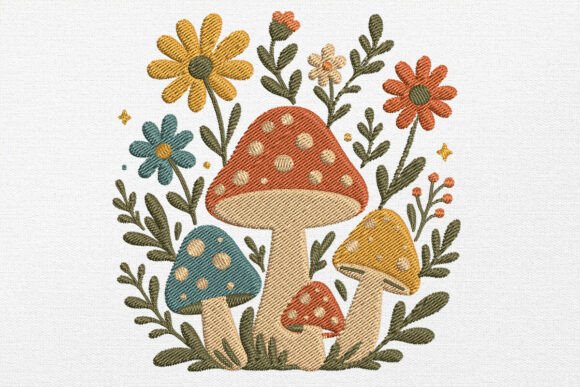
The Mushroom Floral Embroidery Design immediately stands out due to its elegant wildflower aesthetic. Unlike overly dense or cartoonish mushroom motifs often found in digital marketplaces, this design leans into a minimalist style that feels sophisticated and modern. For a professional embroiderer, this visual mood is crucial. It suggests a versatility that allows the design to function equally well as a standalone piece of hoop art or as a subtle accent on custom apparel.
Upon inspecting the digital preview, the stitching personality appears balanced. The interplay between the fungal elements and the floral accents suggests a thoughtful digitizing process. In real-world application, this balance is vital. Designs that are too heavy can distort lightweight fabrics, while those that are too sparse may look unfinished on textured materials. This Mushroom Floral Embroidery Design seems to strike a middle ground, making it a promising candidate for projects ranging from delicate baby blankets to sturdy canvas tote bag design work. The elegance of the wildflowers adds a layer of decorative appeal that elevates it beyond a simple seasonal motif, giving it year-round relevance for handmade shops.
Real-World Performance on Apparel and Home Goods
When considering this design for actual production, specifically for sweatshirts and kitchen textiles, performance is paramount. I evaluated how this specific digital embroidery file might behave across different substrates commonly used in small businesses.
Apparel and Wearables
For sweatshirt embroidery, the minimalist nature of this design is a significant advantage. Heavy fill stitches on fleece can create a bulletproof patch effect that is uncomfortable to wear. Because this design features elegant lines and likely utilizes a mix of running stitch and satin stitch rather than massive blocks of fill, it should maintain the drape of the garment. This makes it ideal for left-chest placements or cuff details where comfort matters. However, when working with stretchy knits, verifying your stabilizer choice is non-negotiable. A cut-away stabilizer would be my recommendation here to prevent puckering around the delicate floral stems during the stitching process and subsequent washing.
Home Decor and Accessories
For home goods like pillow covers and kitchen towels, the design’s wildflower theme shines. These items often serve as personalized gift options, and the organic feel of this embroidery pairs beautifully with natural linens and cottons. If you are creating an embroidered patch version for caps or jackets, the clean lines described in the product profile suggest it will digitize well onto felt or twill backing. Caps present a unique challenge due to their curved surface; simpler, less vertically tall designs generally register better. This Mushroom Floral Embroidery Design appears compact enough to handle the curvature of a structured cap without losing detail registration.
Practical Considerations for Small Hoops and Detail
One of the most common pitfalls in commercial embroidery is resizing. As designers, we must understand the limitations of our design assets. While this design is perfect for standard hoops, many Etsy sellers need to scale down for baby onesies or sleeve cuffs.
- Small Hoop Sizes: Before committing to a tiny resize, check the minimum recommended size in the Creative Fabrica product details. Reducing a design too much can cause satin stitches to become needle holes or running stitches to disappear into the fabric weave.
- Tiny Lettering: If you plan to add custom names to this Mushroom Floral Embroidery Design for a personalized touch, ensure the font size remains legible. Minimalist designs often have open negative space that is perfect for text, but only if the stitch density supports it.
- Fabric Texture: On highly textured fabrics like terry cloth or waffle knit, fine details can get lost. Using a water-soluble topping is essential to keep the wildflower details crisp and visible above the fabric pile.
- Thread Color Contrast: The elegance of this design relies on visibility. Always test thread colors against your base fabric. A cream thread on white linen may look ethereal in a photo but invisible in person. High contrast ensures the minimalist lines read clearly from a distance.
Elevating Product Value and Brand Consistency
For creative entrepreneurs, the value of an embroidery file extends beyond the stitch count. It impacts buyer trust and brand perception. Using high-quality, professionally digitized designs like this Mushroom Floral Embroidery Design signals to customers that you care about aesthetics and durability. A poorly digitized file results in thread breaks, misalignment, and a cheap-looking finished product. Conversely, a clean, well-executed stitch-out enhances the perceived value of your merchandise.
This design also offers excellent opportunities for marketing. Its photogenic, minimalist style is ideal for creating a printable mockup for your online listings. Customers are more likely to purchase when they can visualize the design in a lifestyle context. Furthermore, because the style is cohesive, it helps build brand consistency. You could easily pair this with other botanical or woodland designs from the same creator to create a curated collection, rather than a disjointed assortment of random graphics. This curation is key for boutique merchandise and craft fair displays where visual harmony attracts buyers.
Essential Pre-Stitch Checklist for Makers
Before you load this file into your machine for a paid order, I strongly advise following a strict testing protocol. Even the best Creative Fabrica embroidery files require validation against your specific setup.
- Verify Licensing: Always confirm the license terms on the product page. Ensure you have the rights to use this design for commercial embroidery on physical products versus just for personal use or digital redistribution.
- Test on Scrap Fabric: Never stitch directly onto a final product without a test run. Use a scrap of the exact material and stabilizer combination you intend to use for the order.
- Inspect Stitch Density: After stitching out the sample, feel the back of the design. Is it stiff? Does it pucker? Adjust your tension or density settings if necessary before proceeding.
- Check File Details: Confirm the file format compatibility with your machine. While most platforms offer multiple formats, always double-check that you have downloaded the correct version for your specific brand.
- Review Dark vs. Light Mockups: If selling online, photograph your test stitch-out on both light and dark backgrounds. This helps you determine which thread palettes work best and provides accurate representation for your customers.
The Mushroom Floral Embroidery Design represents a strong contender for makers seeking versatile, elegant botanical motifs. Its minimalist wildflower aesthetic bridges the gap between trendy cottagecore and timeless nature-inspired art. Whether you are embellishing a handmade product for an Etsy shop or creating a cherished gift, this design offers the structural integrity and visual appeal necessary for professional results. By approaching it with proper testing and respect for technical constraints, you can confidently integrate this asset into your creative business workflow.