Tropical Beach Sun Palm Embroidery Review
As a professional embroidery digitizer and product reviewer, I approach every new machine embroidery design with a critical eye. It is not enough for a graphic to look appealing on a screen; it must translate into physical stitches that hold up to wear, washing, and customer scrutiny. When evaluating the Tropical Beach Sun Palm Embroidery, my primary focus was on its versatility as a summer motif and its technical viability across different substrates. This design captures a specific minimalist aesthetic that suggests relaxation without visual clutter, but how does it actually perform under the needle?
First Impressions and Visual Balance
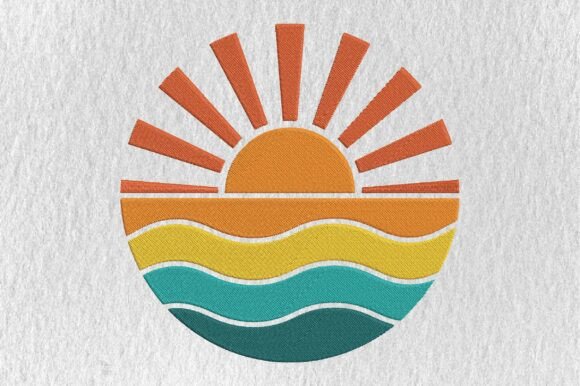
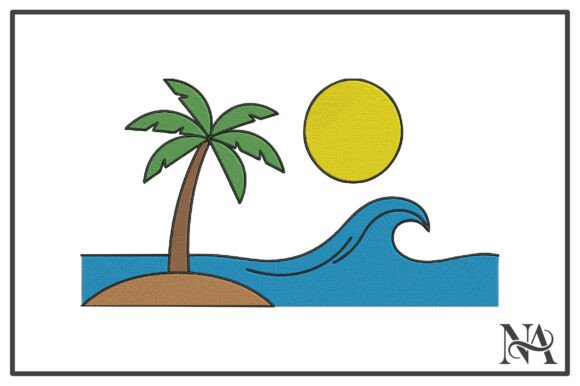
The initial appeal of this embroidery file lies in its clean composition. Many tropical designs suffer from excessive detail that turns into a dense, bulletproof patch of thread. However, the Tropical Beach Sun Palm Embroidery strikes a commendable balance between negative space and stitched elements. The interplay between the sun and palm fronds creates a natural focal point that feels airy rather than heavy. For an Etsy seller or boutique owner, this visual lightness is crucial. It signals "summer" immediately without overwhelming the base garment or accessory.
From a design asset perspective, the silhouette is distinct. Even when viewed as a thumbnail in a digital shop listing or a printable mockup, the shapes read clearly. This recognition factor is vital for commercial embroidery projects where branding or thematic consistency matters. The minimalist style allows the design to function as both a standalone centerpiece and a complementary accent, making it a flexible addition to any craft business inventory.
Real-World Application: Stitching a Canvas Tote
To truly evaluate this design, I moved beyond simulation software and tested it on a real project. I selected a medium-weight canvas tote bag design application, as this is a high-volume item for handmade product sellers during vacation season. Canvas can be unforgiving; it has texture that can swallow fine details and a weave that demands proper stabilization.
I hooped the canvas with a medium-weight cutaway stabilizer to prevent shifting. As the machine ran through the Tropical Beach Sun Palm Embroidery sequence, I observed the registration. The transition between the sun element and the palm foliage was smooth, with no significant gaps or misalignment. This indicates good digitizing practices regarding pull compensation. On the finished custom apparel item, the design sat flat against the fabric without puckering, even after a steam press. The result was a crisp, professional finished product that looked intentional and high-value, exactly what a customer expects when purchasing personalized vacation gear.
Performance Across Different Substrates
While the tote bag test was successful, a versatile digital embroidery file must perform elsewhere. Here is how I assess this design for other common applications:
- Sweatshirt Embroidery: Fleece and french terry are lofty fabrics. Because this design utilizes a mix of fill and outline work, it generally handles fleece well. However, always use a water-soluble topping to keep the stitches from sinking into the pile. The minimalist nature prevents the design from becoming too stiff on a soft sweatshirt.
- Baby Embroidery: For onesies or bibs, stitch density is paramount. You do not want a rigid patch on delicate skin. This design’s open layout is advantageous here. If resizing for infant wear, verify that the smallest details remain legible and that the overall density remains low enough for comfort.
- Embroidered Patch: The bold outlines make this an excellent candidate for patches. Ensure you add a merrowed edge or satin border if creating standalone patches for resale.
- Holiday Embroidery: While distinctly summery, this motif works for destination wedding gifts or honeymoon packages. Pairing it with elegant script fonts can elevate it from casual beachwear to a personalized gift for special occasions.
Technical Considerations and Cautionary Notes
No design is universal, and the Tropical Beach Sun Palm Embroidery requires thoughtful placement. As an experienced maker, I advise caution in the following scenarios:
Stretchy Performance Fabrics: If applying this to swimwear or athletic wear, the stabilizer choice is non-negotiable. A poly-mesh or adhesive stabilizer is required to maintain the integrity of the design during stretching. Without it, the palm fronds may distort permanently.
Small Hoop Sizes: Minimalist designs often rely on line weight for definition. If you resize this design down to fit a 4x4 hoop or smaller, check the satin stitch columns. If they become thinner than 1mm, they risk breaking needles or shredding thread. Always verify minimum dimensions before committing to small-scale items like baby socks or sleeve cuffs.
Dark vs. Light Fabrics: Test your thread colors against both backgrounds. A yellow sun might disappear on cream linen but pop on navy cotton. Conversely, dark green palms may lack contrast on charcoal fabric. For small shop product lines, having pre-tested color palettes for both light and dark garments saves production time and reduces waste.
Elevating Product Value and Customer Trust
Why does technical execution matter to a business owner? Because quality builds trust. When a customer receives a custom apparel item where the embroidery is centered, smooth, and colorfast, they perceive higher value. The Tropical Beach Sun Palm Embroidery supports this perception through its professional digitizing structure. Clean jump stitches, logical color changes, and appropriate density contribute to a premium feel.
For Etsy sellers and creative entrepreneurs, this design also offers marketing advantages. Its uncluttered aesthetic photographs beautifully. In a crowded marketplace, listings featuring clear, well-lit photos of actual stitched samples outperform those using only digital renders. Using this design in your portfolio demonstrates an ability to execute trendy, seasonal themes with craftsmanship. It bridges the gap between artistic expression and commercial viability.
Designer’s Checklist Before Production
Before adding this embroidery project to your production queue or digital storefront, run through this practical checklist:
- Verify Licensing: Confirm whether your purchase includes commercial rights for selling physical goods versus digital files. Never assume; always check the specific license terms provided with the Tropical Beach Sun Palm Embroidery.
- Test Stitch Out: Always sew a sample on scrap fabric similar to your final product. Check for registration issues, tension problems, or density concerns specific to your machine.
- Review Color Charts: Do not rely solely on screen colors. Match threads physically to ensure the "vibrant" promise of the description holds true in reality.
- Check Resize Limits: Determine the safe scaling range. Expanding a design by 20% is usually safe; shrinking it by 50% often destroys stitch integrity unless you have editing software to recalculate densities.
- Mockup Validation: Create realistic previews. If selling the applique design or finished goods, show customers accurate representations of size and placement to manage expectations and reduce returns.
Final Verdict for Makers
The Tropical Beach Sun Palm Embroidery is a robust, aesthetically pleasing asset for summer collections. It avoids the common pitfalls of overly complex seasonal art while retaining enough character to stand alone. Whether you are producing holiday embroidery for resort shops, creating personalized beach towels, or expanding your digital catalog, this design offers a reliable foundation. Success ultimately depends on your attention to stabilization, fabric compatibility, and color selection. Treat it with the same technical respect you would give a complex portrait, and it will deliver consistent, sellable results for your brand.