Summer Watermelon Embroidery File Review
As I prepare my inventory for the upcoming weekend craft fair, every design in my production queue must earn its place on the table. Space is limited, and customers at handmade markets make split-second decisions based on visual appeal and perceived quality. When evaluating the Summer Watermelon Embroidery File for this season's lineup, I am looking at more than just a cute fruit motif; I am assessing a potential best-seller that needs to perform across multiple product categories. This machine embroidery design promises a fresh and fruity touch, but as an experienced designer and business owner, I need to verify if it translates into a profitable craft fair product.
First Impressions and Market Viability
Upon loading the digital embroidery file into my software, the immediate impression is one of vibrant, seasonal optimism. The design strikes a balance between playful and polished, avoiding the overly juvenile look that can sometimes limit sales to only children’s items. Instead, this Summer Watermelon Embroidery File feels versatile enough for adult shoppers looking for whimsical kitchen decor or summer accessories. For an Etsy seller or boutique maker, this aesthetic sweet spot is crucial. It suggests a design that can anchor a booth display without alienating customers who prefer modern farmhouse or clean minimalist styles over cartoonish graphics.
The color palette inherent in the design assets appears optimized for high contrast, which is essential for visibility from a distance at an outdoor market. Bright reds and deep greens are classic for a reason—they signal "summer" instantly. However, the true test lies in how these thread colors interact with various base fabrics. A successful handmade product relies on the embroidery popping against the material, not getting lost in it. This design seems structured to maintain clarity whether stitched on white linen or natural canvas, making it a strong contender for batch production.
Product Application and Booth Strategy
When planning my table layout, I categorize designs by their application potential. The Summer Watermelon Embroidery File shines brightest when applied to functional summer items. Based on the description and typical performance of similar motifs, here is how I evaluate its placement:
- Tote Bag Design: This is likely the highest ROI application. Canvas tote bags are staple sellers at summer markets. The watermelon motif serves as an excellent focal point on natural cotton canvas. Because totes are often viewed while being carried or hung on a rack, the bold nature of this design ensures it catches the eye of passersby.
- Tea Towel Embroidery: Kitchen textiles are impulse buys. This design works beautifully as a centered accent on flour sack towels. The key here is ensuring the stitch density isn't so heavy that it distorts the lightweight fabric. If digitized correctly, it adds value without compromising the towel's utility.
- Apron Embroidery: For BBQ season, embroidered aprons are premium items. Placing this design on the chest pocket area or lower hem creates a cohesive summer collection. It elevates a basic utility item into a giftable handmade product.
- Caps and Hats: While the description mentions hats, curved surfaces present challenges. I would reserve this specific embroidery file for unstructured dad hats or bucket hats where the hoop sits flatter. Structured caps might distort the circular shape of the watermelon unless the design includes specific compensation for curvature.
For digital sellers offering the file itself, creating a printable mockup showing these varied applications is essential. Customers need to visualize the finished product to understand the commercial embroidery potential of the asset.
Production Realities and Technical Considerations
A pretty screen image does not always guarantee a smooth production run. Before stitching fifty units for the fair, I must address practical manufacturing concerns. Stitch density is the primary variable. Fruit designs often involve large fill areas. If the Summer Watermelon Embroidery File is too dense, it will cause puckering on lighter fabrics like tea towels or t-shirts. Conversely, if it is too sparse, the coverage will look cheap on textured canvas. I always recommend running a test stitch-out on scrap fabric that matches your intended final product weight. Check the stabilizer requirements carefully; a cut-away is usually safer for stretchy knits, while tear-away suffices for stable woven linens.
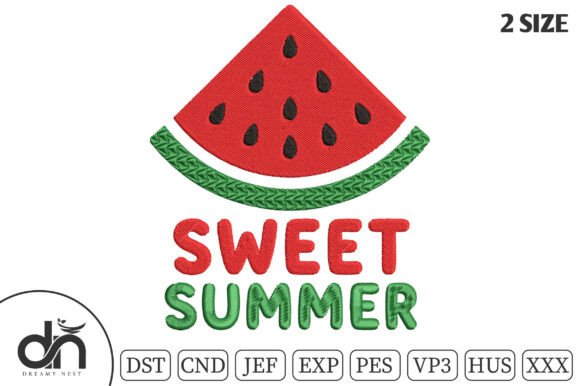
Small details require scrutiny. Does the watermelon have tiny seeds or intricate rind textures? At smaller sizes, these elements can turn into thread nests or disappear entirely. If you plan to use this as an embroidered patch or a small logo-sized accent, verify the minimum size recommendation. Resizing a complex fill design down by 50% often ruins the stitch path integrity. Always confirm the hoop size compatibility before purchasing or producing. Nothing halts a production schedule faster than realizing a design requires a larger hoop than what you have available for rapid changeovers.
Fabric texture also plays a massive role in legibility. On terry cloth or plush towels, the pile can push through the stitches. Using a water-soluble topping is non-negotiable for these surfaces to ensure the Summer Watermelon Embroidery File remains crisp and defined. Dark fabrics present another challenge; ensure the design includes adequate underlay to prevent the base fabric color from bleeding through the bright red and green threads.
Maximizing Sales Value and Brand Consistency
At a craft fair, customers are buying a feeling as much as a product. This embroidery file contributes to a cohesive brand narrative of summer freshness. To maximize buyer engagement, I group items featuring this design together. A stack of watermelon tea towels next to matching tote bags creates a "collection" effect, encouraging multi-item purchases. The visual repetition reinforces the professional quality of the small shop product line.
Photography for online listings demands equal attention. Natural lighting is best for capturing the true thread colors of this summer theme. Avoid flash, which flattens the texture of the embroidery. Show close-ups of the stitch quality alongside lifestyle shots of the item in use. For Etsy sellers, including a video clip of the texture or the item being handled can significantly boost conversion rates by demonstrating the tangible quality of the handmade product.
Finally, never overlook licensing. Before listing any finished product derived from this digital embroidery file, review the commercial terms. Some designers restrict mass production or require attribution. Ensuring you have the correct commercial embroidery rights protects your business and respects the original creator. Clear licensing also allows you to confidently answer customer questions about the origin and exclusivity of your designs.
Designer’s Pre-Production Checklist
To ensure the Summer Watermelon Embroidery File performs as expected, follow this verification protocol:
- Test Stitch: Never skip this step. Verify registration, tension, and density on actual project fabric.
- Thread Contrast: Compare thread colors against multiple fabric bases to ensure visibility and vibrancy.
- Stabilizer Match: Select the appropriate backing and topping based on fabric weight and texture.
- Hoop Verification: Confirm the design fits your production hoops with adequate margin for clamping.
- Mockup Creation: Produce at least one physical sample for photography and booth display before batch sewing.
- License Check: Validate commercial usage rights for both physical goods and digital marketing materials.
By treating the Summer Watermelon Embroidery File as a strategic business asset rather than just a decorative element, you transform a simple seasonal motif into a reliable revenue stream. Whether you are stocking a physical booth or updating a digital storefront, success lies in the intersection of aesthetic appeal and technical execution. This design has the potential to be a standout performer, provided it is produced with the same care and intention that defines the handmade marketplace.