Lace Jellyfish Embroidery: A Craft Fair Review
As an experienced embroidery designer preparing for a weekend craft fair, I approach every new machine embroidery design with a critical eye. It is not enough for a digitized file to look beautiful on a computer screen; it must translate into a tangible, sellable item that captures attention in a crowded market booth. When evaluating the Lace Jellyfish Embroidery for my upcoming production run, I am looking at more than just aquatic aesthetics. I am assessing stitch integrity, commercial viability, and how this specific embroidery file will perform across various substrates like canvas, linen, and cotton. This review breaks down the practical realities of turning this digital asset into a profitable craft fair product.
First Impressions and Market Positioning
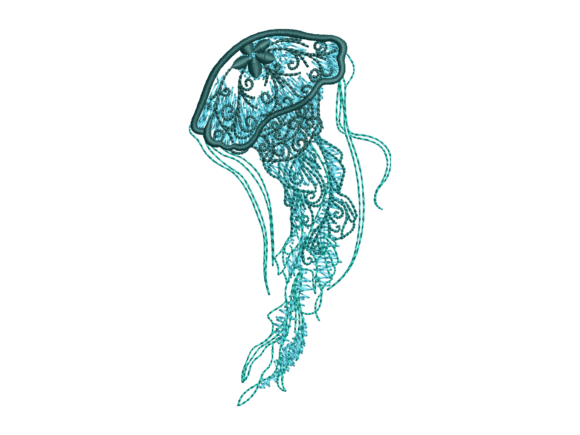
The immediate visual impact of Lace Jellyfish Embroidery is one of delicate elegance mixed with modern whimsy. Unlike traditional nautical themes that often lean towards rustic or cartoonish, the "lace" descriptor suggests intricate openwork, negative space, and sophisticated detailing. For an Etsy seller or boutique maker, this positions the design firmly in the premium handmade category rather than mass-market novelty. The aesthetic feels soft yet structural, making it versatile enough for both feminine accessories and gender-neutral home decor.
In a booth setting, this design reads as artistic rather than generic. Customers browsing through tables of standard floral or monogram items are likely to pause at the unique texture implied by lace-style stitching. It bridges the gap between vintage heirloom techniques and contemporary marine biology art. However, because lace relies heavily on precise registration and tension, my first judgment is that this requires high-quality execution. It is not a design for rushed production; it is a showcase piece that signals to buyers that your handmade product line values detail and craftsmanship.
Best Performing Products for Booth Sales
Determining where to apply Lace Jellyfish Embroidery is crucial for maximizing return on investment. Based on the intricate nature of lace digitizing, certain products will naturally outperform others.
- Tote Bag Design: Natural canvas or linen tote bags are arguably the strongest vessel for this design. The contrast of white or cream lace-stitching against unbleached fabric creates a high-end, organic look. Totes provide a flat, stable surface essential for maintaining the openwork structure without distortion.
- Tea Towel Embroidery: Flour sack towels or waffle-weave linens offer excellent drape and texture. The jellyfish motif aligns perfectly with kitchen and coastal home decor trends. Because tea towels are lower-priced impulse buys at markets, they serve as excellent entry-point products featuring this premium design.
- Fabric Pouches and Zipper Bags: Small cosmetic or pencil pouches allow the Lace Jellyfish Embroidery to act as a central focal point without overwhelming the item. These are highly giftable and photograph exceptionally well for online listings.
- Pillow Covers: For higher price points, embroidered lumbar pillows showcase the scale of the design. The tactile quality of lace stitching invites customers to touch the product, increasing engagement and perceived value.
Conversely, I would exercise caution using this as an apron embroidery placement unless positioned carefully. Aprons endure significant wear, washing, and heat. Intricate lace stitches can be fragile if snagged on kitchen hardware. Similarly, while caps are popular, the curved surface makes stabilizing openwork lace difficult. Unless you have mastered curved hooping, stick to flat goods to ensure the finished product meets professional standards.
Production Practicalities and Technical Notes
From a production standpoint, Lace Jellyfish Embroidery presents specific challenges and advantages for batch manufacturing. The primary advantage is the reduced stitch count typical of lace designs compared to solid-fill motifs. This means faster run times per hoop, allowing for higher volume during pre-fair prep. However, speed should never compromise stability.
The most critical technical consideration is stabilizer selection. Lace designs are essentially thread held together by thread. Using a tear-away stabilizer is often insufficient and risky. I strongly recommend a water-soluble or cut-away mesh stabilizer to support the open areas during stitching and prevent puckering. If the design includes dense satin stitch borders connecting the lace elements, verify that your stitch density is balanced. Too dense, and the fabric cups; too sparse, and the lace lacks definition.
For sellers creating an embroidered patch, this design is ideal provided you use a heavy water-soluble backing and create a self-supporting border. Patches allow you to utilize scrap fabric and sell the design as an add-on item at the booth. Always check the hoop size requirements before purchasing. Lace designs often require larger hoops to accommodate the span of the jellyfish tentacles without excessive re-hooping, which introduces alignment errors.
Careful Use Warnings for Commercial Embroidery
While visually stunning, Lace Jellyfish Embroidery demands respect during the production phase. There are specific scenarios where this design may fail or underperform:
- Textured Fabrics: Avoid terry cloth, fleece, or high-pile fabrics. The loops will push through the lace openings, ruining the visual effect. If you must use these, employ a water-soluble topping, but flat weaves are superior.
- Dark Fabrics: Lace relies on shadow and light. On black or navy fabric, the intricate internal details may disappear unless you use high-contrast metallic or variegated thread colors. Test visibility before committing to a dark colorway.
- Scaling Down: Resist the urge to resize this design significantly smaller. Lace columns and tiny connection points have minimum width thresholds. Shrinking the file can cause needle breaks or structural failure during washing.
- Stretchy Knits: Jersey or spandex blends are problematic for non-stretch lace designs. The fabric will stretch while the thread does not, leading to tunneling. Stick to woven cottons, linens, and denim.
Maximizing Visual Appeal and Buyer Engagement
To make Lace Jellyfish Embroidery a bestseller, presentation is key. At a craft fair, display samples at eye level. Use a mannequin or stand to show how a tote bag hangs, as lace looks different when draped versus lying flat. Lighting matters immensely; backlit displays or natural window light accentuate the openwork nature of the design, making it glow.
For online sales, a printable mockup is useful for listing variations, but nothing replaces photography of the actual stitched sample. Macro shots showing the thread texture build trust in your commercial embroidery quality. Highlight the "lace" aspect in your product titles and tags. Customers searching for "coastal cottagecore," "marine life art," or "delicate embroidery" are your target demographic. Emphasize that this is a unique small shop product distinct from factory-made alternatives.
Designer Checklist Before Production
Before loading this digital embroidery file into your machine for a full production run, complete this mandatory checklist. Remember, files are delivered in ZIP or RAR format and are instant downloads with no returns, so verification is your responsibility.
- Test Stitch: Always sew out a sample on the exact fabric and stabilizer combination intended for sale. Do not assume settings from previous projects will transfer.
- Thread Contrast Check: Verify that your chosen thread palette provides sufficient contrast against the base fabric. Lace needs definition.
- Stabilizer Verification: Confirm you have adequate supply of the correct stabilizer type (water-soluble vs. cut-away) for the entire batch.
- License Confirmation: Review the included documentation to confirm commercial licensing terms for selling finished products. Ensure you are compliant before listing items.
- Mockup Creation: Create at least one real-world photo for marketing materials. Digital renderings do not capture the sheen and texture of lace stitching.
- Wash Test: Launder your test sample exactly as you instruct customers to care for the item. Ensure the lace holds up without fraying or shrinking.
Lace Jellyfish Embroidery offers tremendous potential for creative entrepreneurs willing to invest the time in proper testing and presentation. Its blend of technical intricacy and artistic beauty makes it a standout choice for makers seeking to elevate their booth offerings beyond basic embroidery. By respecting the technical requirements of lace digitizing and strategically selecting compatible products, you can transform this digital download into a signature item that drives sales and defines your brand’s commitment to quality handmade goods.