Mother’s Day MOM LIFE Embroidery Review
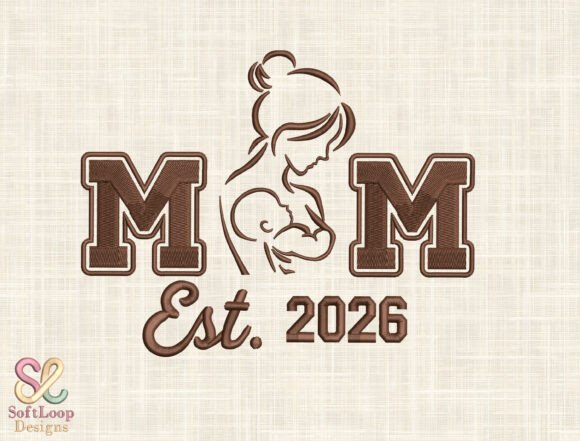
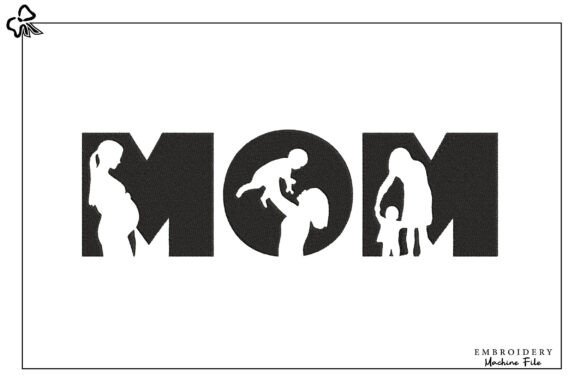
As an experienced embroidery designer preparing for the upcoming spring craft fair season, I am constantly evaluating which digital assets will translate into profitable physical products. When reviewing the Mother’s Day MOM LIFE Embroidery design, my primary focus is on commercial viability and production efficiency. This machine embroidery design features bold, solid lettering with integrated silhouettes, creating a visual narrative that speaks directly to the modern mother. For Etsy sellers and boutique makers, this artwork offers a versatile foundation for a cohesive product line. However, success at a handmade market depends not just on the sentiment, but on how well the digitizing holds up across different substrates. My assessment below breaks down exactly how to leverage this design for maximum impact and sales.
Visual Impact and Booth Presence
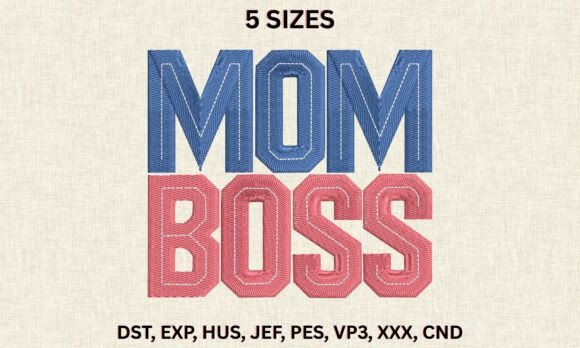
The first impression of this Mother’s Day MOM LIFE Embroidery is undeniably bold yet sentimental. The combination of solid block lettering with softer silhouette elements creates a balanced aesthetic that bridges the gap between modern typography and traditional craftsmanship. In a crowded craft fair booth, customers often scan tables quickly; they need to understand the message within seconds. This design succeeds because the word "MOM" acts as an immediate anchor, while the silhouette details invite closer inspection.
From a stylistic perspective, this design leans toward a contemporary farmhouse or modern minimalist vibe, depending entirely on your thread color choices. Using high-contrast black or navy thread on natural linen evokes a rustic elegance, while pastel variegated threads can soften the look for a nursery or springtime feel. For handmade shop owners, this versatility is crucial. It allows you to create a unified collection where the same embroidery file serves multiple customer demographics without looking repetitive. The emotional resonance of honoring the journey of motherhood adds perceived value to the finished product, distinguishing it from generic text-based designs.
Best-Selling Product Applications
Not every embroidery file performs equally well on every item. Based on the structure of this Mother’s Day MOM LIFE Embroidery, certain products will yield higher returns than others. Here is my professional ranking for craft fair inventory:
- Tote Bags and Market Shoppers: This is the premier application for this tote bag design. The bold lettering reads beautifully on canvas or denim from a distance. Totes are high-margin items at markets, and the large stitch area justifies a premium price point.
- Aprons: Apron embroidery requires durability. Because this design uses solid lettering, it withstands washing well. Position the design on the upper chest bib rather than the lower skirt to ensure visibility when the apron is worn.
- Tea Towels: Tea towel embroidery is a staple for Mother S Day gifts. However, be mindful of fabric texture. Waffle weave or flour sack cotton provides the best surface for capturing the silhouette details without puckering.
- Embroidered Patches: Creating standalone patches allows customers to customize their own jackets or bags. This design works exceptionally well as a patch because the solid fill stitches create clean edges for merrowing or satin stitching.
- Pillow Covers: For home decor vendors, this design adds instant warmth to neutral throw pillows. It serves as a focal point that ties a room’s theme together, making it an easy upsell alongside other household textiles.
While caps are popular, I advise caution. Curved cap surfaces can distort bold, wide lettering unless the design has been specifically digitized for hats. Always verify the hoop size and curvature compatibility before committing to headwear production.
Production Practicalities and Technical Notes
A beautiful screen display does not guarantee a smooth production run. As a commercial embroidery business owner, you must consider stitch density and stabilizer requirements. The Mother’s Day MOM LIFE Embroidery features solid lettering, which typically implies a higher stitch count. While this results in excellent coverage and a premium feel, it also increases production time per unit. Batch production is feasible, but you should calculate your pricing to account for the longer run times compared to outline-only fonts.
Stabilizer selection is non-negotiable here. For knit fabrics or stretchy t-shirts, use a cut-away stabilizer to prevent the heavy lettering from distorting the garment over time. For woven fabrics like canvas totes or tea towels, a medium-weight tear-away or fusible mesh may suffice. Always test the design on scrap fabric identical to your final product. Check for registration issues where the silhouette meets the lettering; poor alignment in complex designs can ruin the professional finish required for high-end handmade products.
Regarding small details, evaluate the minimum size carefully. Silhouette elements can lose definition if scaled down too aggressively. If you plan to offer this as a small accent on a sleeve or pocket, confirm that the internal details remain distinct at that reduced scale. Tiny lettering inside the silhouette may become illegible or cause needle breaks if the design is shrunk beyond its intended parameters.
Merchandising and Digital Presentation
Selling online requires bridging the gap between digital files and physical reality. For Etsy sellers and digital product vendors, high-quality printable mockups are essential. Do not rely solely on flat JPEG renders of the embroidery file. Photograph actual stitched samples on the intended products. Natural lighting helps showcase the texture of the thread and the dimensionality of the solid fills. Customers need to see how the thread interacts with the fabric texture to trust the quality of your work.
For physical booth displays, group items by color story rather than product type. A table featuring a cream tote, a beige apron, and a white pillow all stitched with matching sage green thread creates a powerful visual block that attracts buyers. Use signage that highlights the "MOM LIFE" theme to reinforce the emotional connection. When describing the product in listings or on tags, emphasize the craftsmanship and the specific meaning behind the silhouette integration. Storytelling increases conversion rates significantly in the handmade sector.
Designer Checklist for Commercial Success
Before listing this Mother’s Day MOM LIFE Embroidery as a finished product or selling the digital embroidery file itself, complete this verification process:
- Verify Licensing: Confirm whether your purchase includes commercial rights for finished products, digital resale, or both. Never assume usage terms; check the designer’s license agreement explicitly.
- Test Stitch-Out: Run a full test on your target fabric. Inspect the back for excessive jump stitches or bobbin thread show-through.
- Check Hoop Compatibility: Ensure the design fits your largest hoop with adequate margin for clamping. Re-hooping mid-design introduces alignment risks.
- Evaluate Thread Contrast: Test light thread on dark fabric and vice versa. Solid fills can sometimes look flat; consider using a textured or matte thread for the silhouettes to add depth against shiny rayon lettering.
- Create Real Samples: Produce at least one sellable sample for photography before mass production. This validates both the aesthetic appeal and the production timeline.
- Review Spacing: If combining this design with additional text (like a name or date), measure the spacing physically. Digital spacing often looks different once stitched out.
This Mother’s Day MOM LIFE Embroidery holds significant potential for creative entrepreneurs willing to execute it with technical precision. By respecting the stitch density, choosing appropriate substrates, and presenting the finished product with professional merchandising, you can transform this digital asset into a best-selling highlight of your Mother S Day collection. Whether you are stocking a weekend booth or fulfilling custom Etsy orders, this design offers the perfect blend of emotional appeal and commercial practicality needed to thrive in today’s handmade market.